
The Cinematic Turing Test
:When Will We Stop Caring If It’s Real?

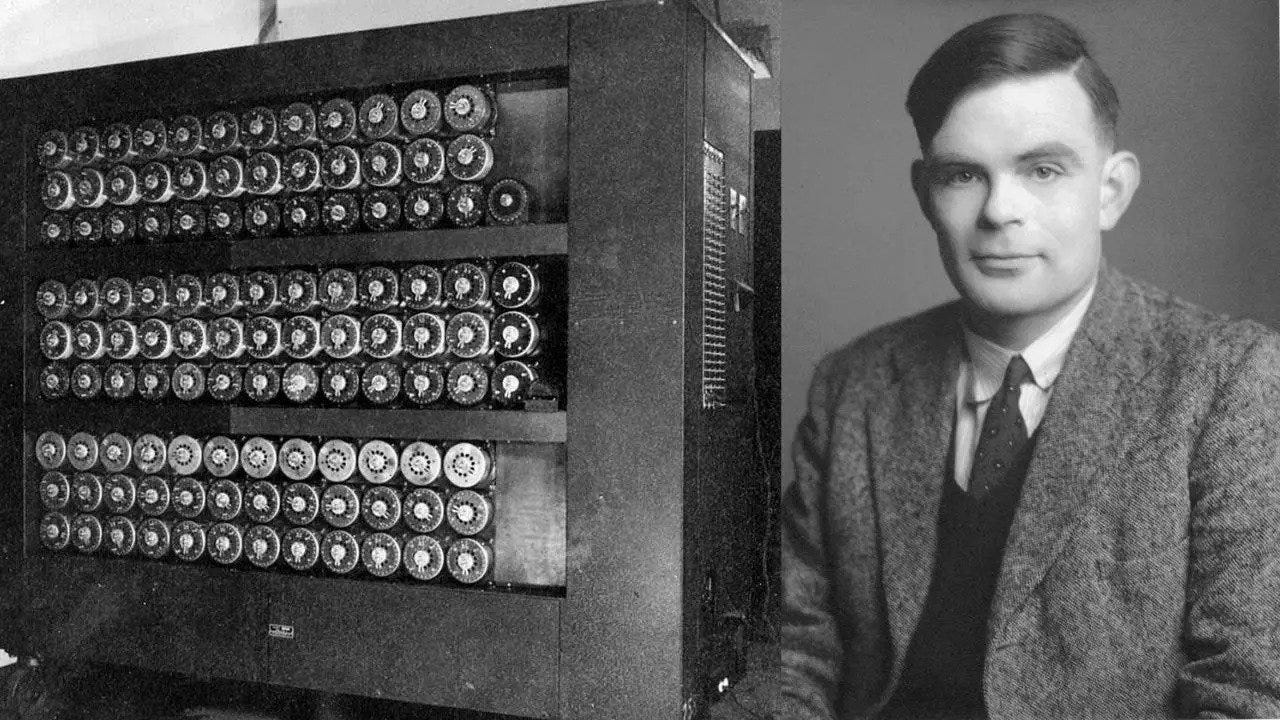
When Alan Turing proposed his famous test in 1950, he was not interested in whether a machine could truly think. He was interested in perception. If a human could no longer tell whether they were speaking to a person or a machine, the distinction itself would lose meaning. That idea was about language, but it now returns to haunt cinema in a new and more profound form. The Cinematic Turing Test asks whether audiences will still care who made a film if they cannot tell whether it was created by a person or by an algorithm.
For more than a century, filmmaking has been a human conversation. Every shot, every edit, every story choice carried the fingerprints of its creators. The great directors were not just telling stories, they were revealing how they see the world. When Akira Kurosawa staged a scene in the rain, we felt his sense of human fragility. When Jane Campion lingered on a glance, we sensed a lifetime of emotional observation. These details were not random. They were traces of intention, curiosity, and lived experience. That is what made cinema more than entertainment. It was a mirror of humanity itself.
But the rise of artificial intelligence now asks us to imagine a different world. A screenplay written by a neural network. Performances generated by synthetic actors. Entire landscapes designed by algorithms trained on decades of visual history. None of this is science fiction anymore. We are on the threshold of fully generated films, assembled from datasets rather than dreams. The question is not whether machines will be able to create convincing stories. They already can. The question is whether we, as filmmakers and as audiences, will still care.
The real power of Turing’s original idea was not about the machine. It was about us. The test is passed not when the system becomes truly intelligent, but when we stop insisting on knowing the difference. And this is precisely the danger that looms over cinema. If an AI generated story makes us cry, if a synthetic performance moves us, if an algorithmic edit keeps us on the edge of our seat, will the fact that no human shaped it still matter?
For filmmakers, that question is more than philosophical. It cuts to the heart of what we do. Our craft has never been about flawless execution. It is about the collision of intention and imperfection, the way a personal worldview shapes a story. A shot is not just a visual solution, it is a decision born of taste, belief, and often doubt. A performance is not just the arrangement of gestures, it is the accumulation of lived experience. A film is a dialogue between creator and audience. If the creator disappears, what happens to that dialogue?
The risk is that audiences will stop asking. They will accept the illusion without caring about the source. In that moment, the Cinematic Turing Test will be passed, not because machines became creative in the human sense, but because the culture stopped valuing the human presence in art. Cinema will continue to exist, but it will no longer be a reflection of human curiosity and conflict. It will become a reflection of data itself, endlessly recombined and repackaged without perspective.
There is also a profound ethical consequence. A human filmmaker carries responsibility for the narratives they create. They can be questioned, challenged, and held accountable. A generative system cannot. It reproduces patterns without understanding their historical weight or cultural impact. If we surrender authorship to machines, we also surrender accountability. Stories that shape how societies remember, empathize, and imagine will no longer have a conscious author standing behind them.
Yet the test is not destiny. We, as filmmakers, have the power to decide how this technology will shape our art. We can use AI as a tool to expand our imagination without erasing our presence. We can insist that intention, perspective, and responsibility remain at the center of the creative process. We can make authorship visible and meaningful again. And we can remind audiences that the value of a film lies not only in how it makes them feel, but in the consciousness that shaped it.
The Cinematic Turing Test is unfolding now. It will not be passed in a single moment, but gradually, as audiences grow indifferent to the origin of what they watch. The true challenge for cinema is not to compete with algorithms, but to keep our presence visible and our voices necessary. The future of filmmaking depends on whether we choose to be more than illusionists. It depends on whether we continue to offer something no machine can: a story shaped by a life lived, by questions wrestled with, and by a soul trying to understand the world.